


Diocletian's Road
From Žrnovnica to Srinjine
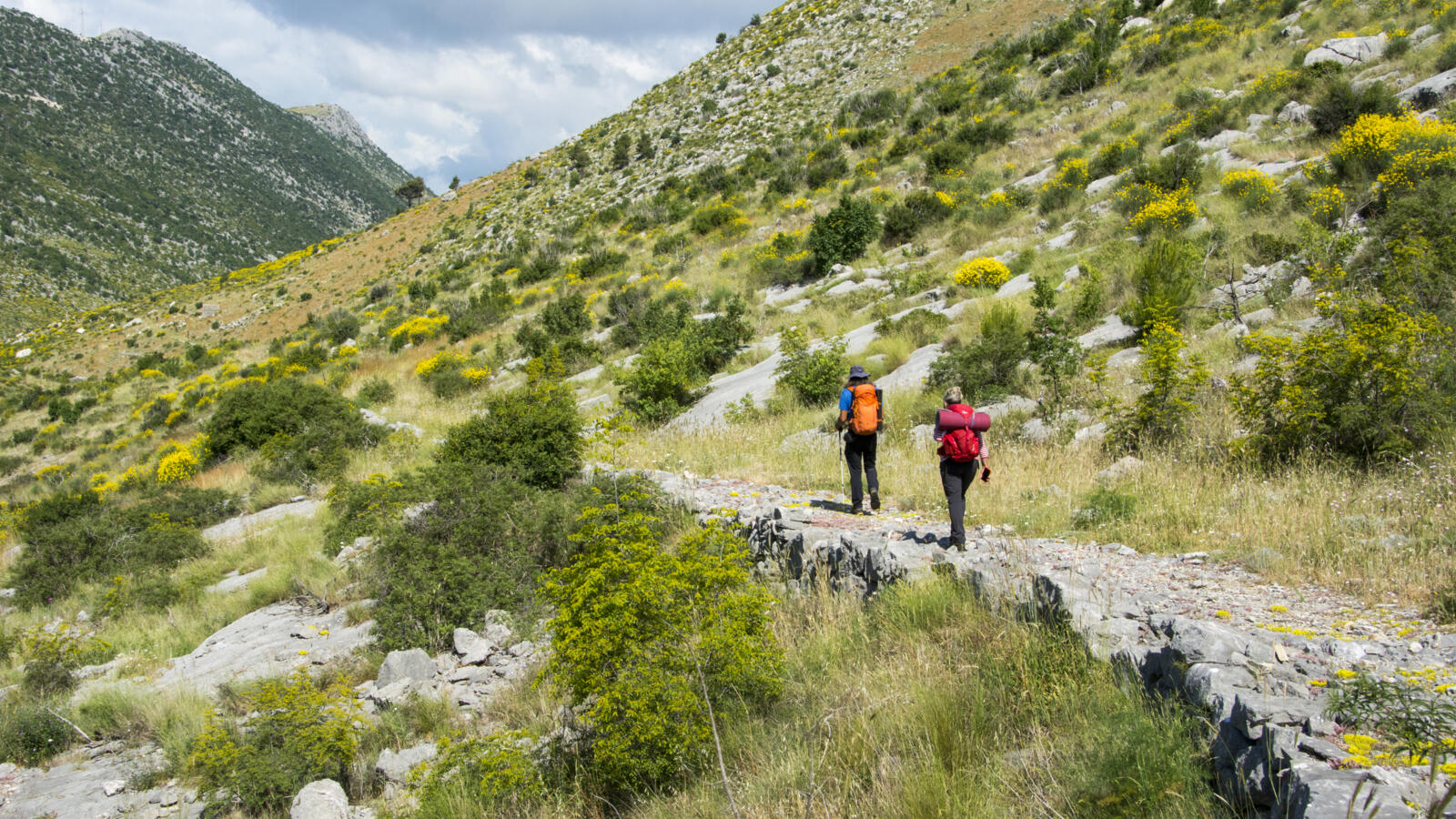
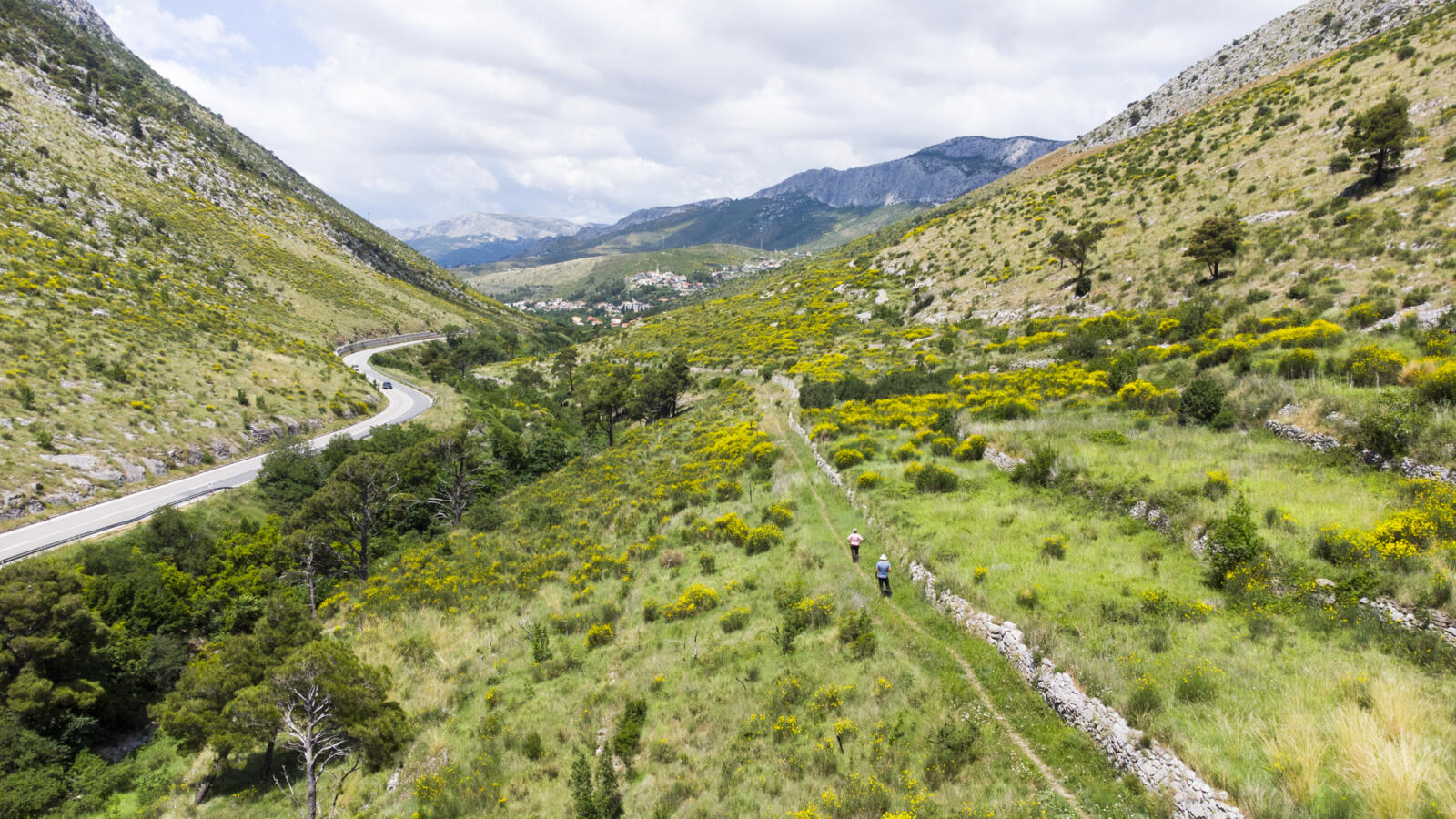
Through the valley between the hills Sridivica and Perun, the Vilar stream occasionally flows. The stream's bed, at its norther side, is followed by a road, as a natural connector, linking the surrounding Roman and prehistoric sites and was probably, as suggested by its local name, part of the Roman road network. In the wall of a family house at the western end of the road, a relief of the Illyrian god Silvanus is embedded, one of about twenty representations of this god in the Delmat tribe area.
Perun's Road and Diocletian's Road
In addition to the Roman Diocletian's Road, a modern asphalt road stretches through the Vilar valley. It could be said that its official name, Perun's Road, naturally fits into the network of toponyms by which the Croatian settlers marked this area over almost a thousand and a half years ago, experiencing it in the light of their beliefs and customs. Some of these were retained even after their conversion to Christianity in the 7th/8th century.
Vilar
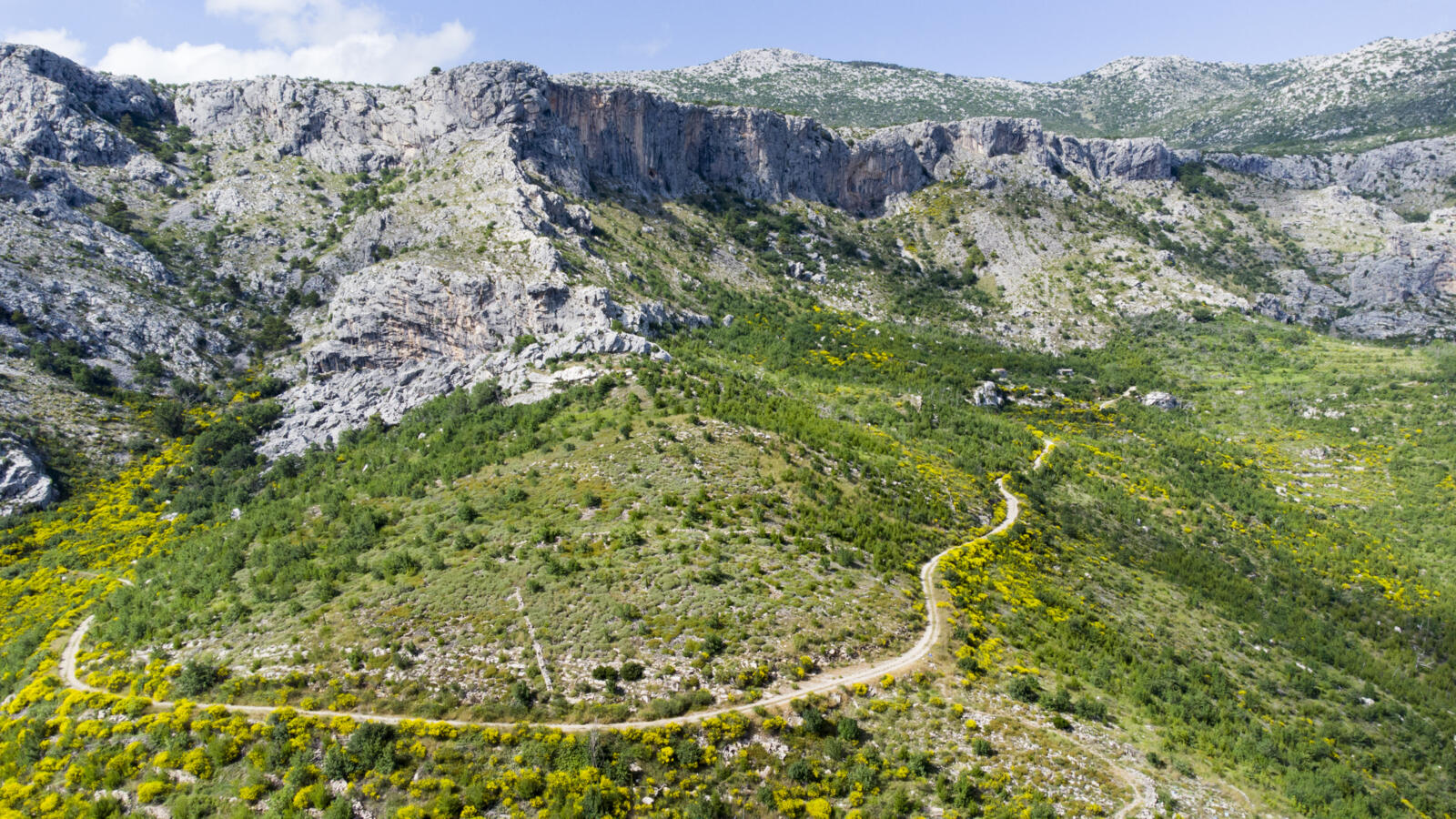
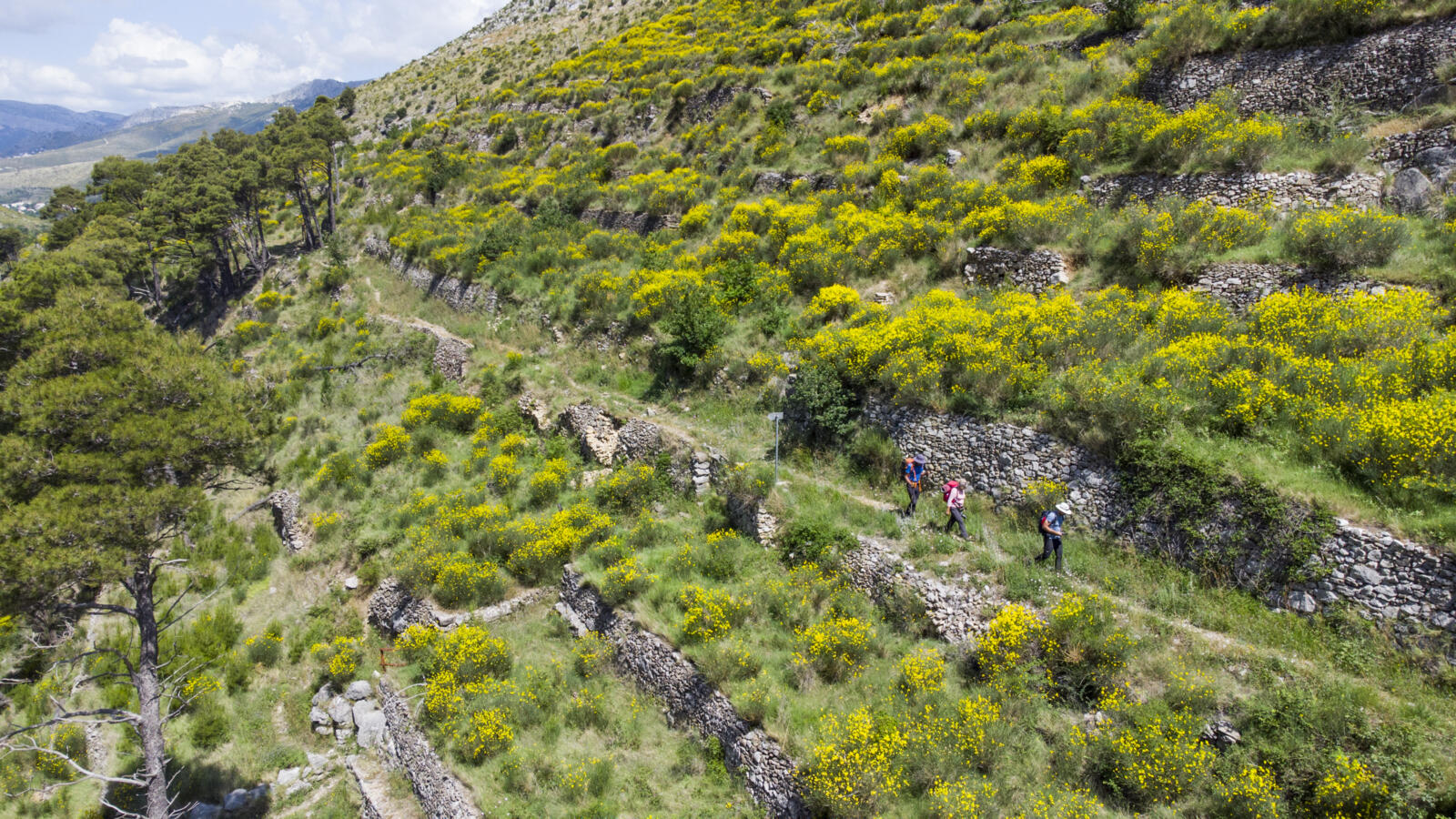
From the native vineyards that once covered the gentle slopes of Sridivica, on the northern side of the Vilar valley, only drystone walls remain. There is no trace of vines anymore. Similarly, it seems that the fairies, that once danced through this valley in local imagination and inhabited high in the clouds, in the prehistoric Vilanjski Grad on Vršina, have disappeared as well. Besides the suggestive name of Vilar (vila - Croatian for fairy), there is no trace of the fairies anymore.
Sacred donors
The church of St. Nicholas (Sv. Nikola) was built in the 12th century at the entrance to the Vilar valley, near the road, stream, and pasture, or at a location that suggests the functions of the god Veles. Namely, Veles is an underground god, a shepherd of the deceased, those "across the river", and the god of cattle and the giver of all wealth, which is why St. Nicholas, a bishop, giver, and protector of travellers, is his frequent Christian substitute.
The Emperor's businesses
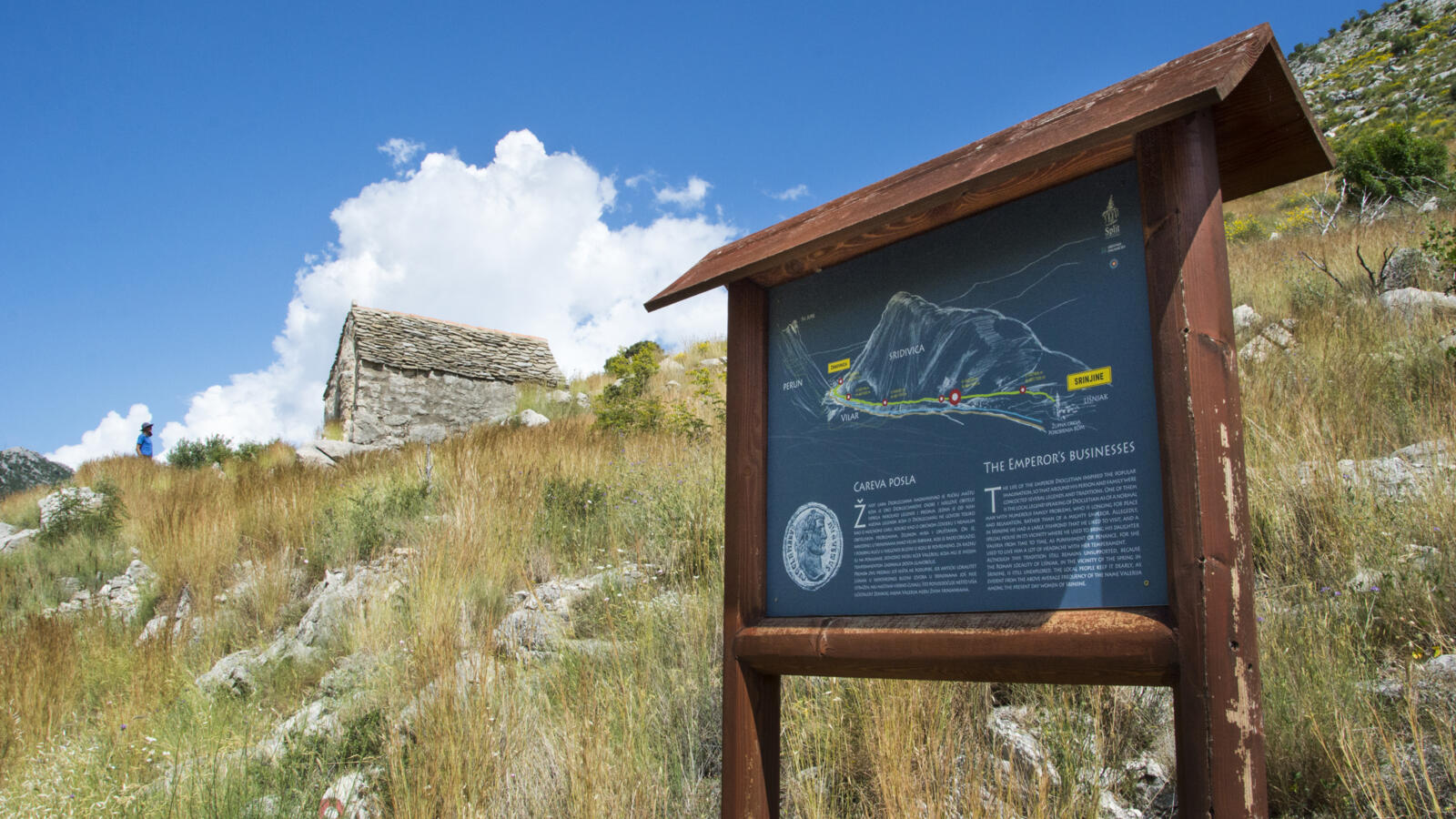
According to a legend, Diocletian had an estate with a large fishpond near the spring in Srinjine, at the as yet unexplored Roman site of Lišnjak. He used to come there to relax, but sometimes he also used to bring along his daughter Valeria, who caused him a lot of headaches with her temperament. One day, research at Lišnjak may confirm what folk tradition has "known" for centuries about Diocletian and "his businesses".
At the gates of Poljica
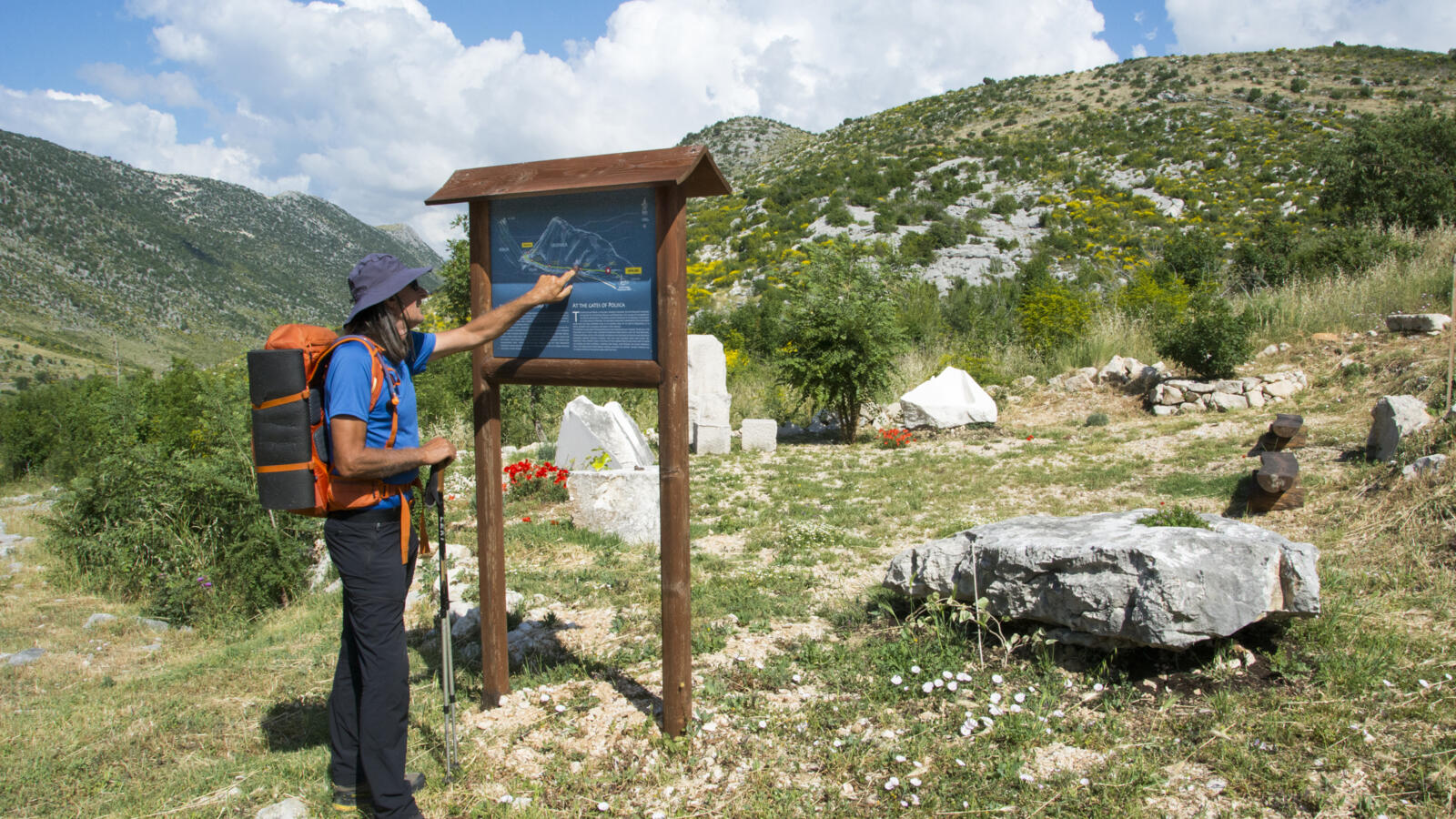
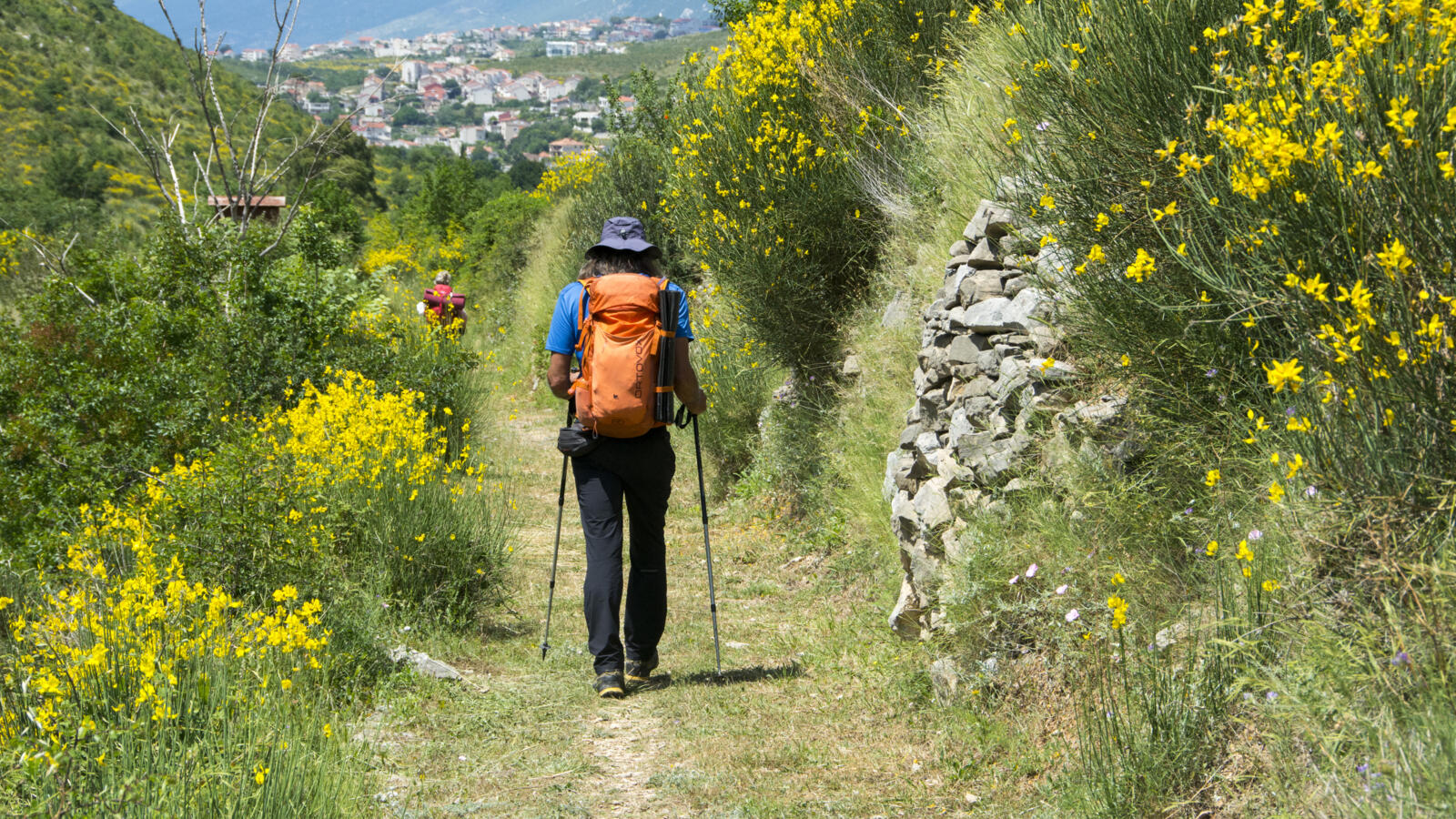
The Diocletian's Road connects Srinjine, the westernmost hamlet of Srednja Poljica, and Žrnovnica, which borders it. Its original width is preserved only in Srinjine, completely preserving ancient Croatian customs still living in Poljica, as well as even older ones that reached Poljica by other routes. The Diocletian's Road, barely five kilometres long, bridges the temporal distance of almost two millennia.


