









Saint Lawrence
The history of Stobreč dates back more than 2,000 years, when it was founded in the 3rd century BC by Greek settlers from Issa, present-day Vis, under the name Epétion. Thanks to its strategic location on a sheltered peninsula, Stobreč has throughout history served as an important trading and defensive centre on the eastern Adriatic coast.
Stobreč – an authentic Mediterranean destination near Split
Stobreč is a small Dalmatian village located on an attractive peninsula on the eastern side of Split, just 7 kilometres from the historic city centre and the famous Diocletian’s Palace. Thanks to its unique position between the sea, the Žrnovnica River, Mount Perun, and Mount Mosor, Stobreč offers a perfect blend of nature, history, and a relaxed Mediterranean lifestyle.
Surrounded by the crystal-clear Adriatic Sea and the islands of Brač and Šolta, Stobreč is an ideal destination for a peaceful seaside holiday near Split, as well as an excellent base for exploring the wider Dalmatia region.
Location of Stobreč – a perfect holiday base near Split
Stobreč is a small Mediterranean village located on an attractive peninsula on the eastern side of Split, next to the mouth of the Žrnovnica River and a beautiful sandy bay. Thanks to its unique position between the sea, Mount Mosor, and the Perun hill, Stobreč offers an ideal combination of natural surroundings, a peaceful atmosphere, and proximity to urban amenities.
From the south, it is surrounded by the islands of Brač and Šolta, while to the north rise Mosor and Perun, creating an impressive natural landscape and panoramic views typical of the Dalmatian coast. This location makes Stobreč one of the most pleasant destinations for a holiday near Split.
Proximity to Split and excellent transport connections
Stobreč is located just 7 kilometres from the historic centre of Split and the famous Diocletian’s Palace, one of Croatia’s most important UNESCO World Heritage sites. Thanks to its proximity to Split, visitors can easily explore cultural landmarks, restaurants, beaches, and the vibrant nightlife of Dalmatia’s largest city.
The Adriatic Highway (D8) connects Stobreč with numerous popular coastal destinations, while the A1 motorway is only about a ten-minute drive away via the Dugopolje exit. This excellent transport network ensures quick and easy access from all parts of Croatia and Europe.
Mediterranean tranquillity close to the city
Although administratively part of the City of Split, Stobreč has preserved the authentic character of a small Dalmatian village. With around 3,000 inhabitants, it continues to embrace a relaxed Mediterranean lifestyle, a peaceful atmosphere, and the hospitality for which Dalmatia is well known.
The combination of proximity to the city and natural surroundings makes Stobreč an ideal choice for those seeking a peaceful seaside holiday while staying close to the cultural, gastronomic, and tourist attractions of Split and its surroundings.
History of Stobreč and ancient heritage
The history of Stobreč dates back more than 2,000 years, when it was founded in the 3rd century BC by Greek settlers from Issa, present-day Vis, under the name Epétion. Thanks to its strategic position on a naturally protected peninsula, Stobreč played an important defensive and trading role on the eastern Adriatic coast throughout history.
Remains of ancient fortification walls are still visible in the old town area, especially on the northern side of the peninsula. These monumental stone walls impressed the famous travel writer Alberto Fortis so much that in his work Viaggio in Dalmazia he compared them to the fortifications of ancient Salona.
Near the walls, an ancient Roman canal was discovered, which testifies to the well-developed urban infrastructure of the former Epetium. These valuable archaeological remains confirm the rich cultural and historical heritage of Stobreč.
Cultural heritage and architecture
Today, the historic core of Stobreč preserves numerous examples of traditional Dalmatian and vernacular architecture, which has harmoniously adapted to the natural surroundings over centuries. Walking through the stone streets of the old town offers an authentic experience of Mediterranean life as it once was.
A particularly important landmark is the early Christian basilica from the 5th century, built on the foundations of an ancient temple. This sacred complex is considered a predecessor of today’s Church of Our Lady of Mount Carmel and represents one of the most significant cultural and historical monuments in Stobreč.
Beaches, sea, and relaxation in Stobreč
Today, Stobreč is a well-known tourist destination near Split, popular among visitors seeking peaceful beaches, clean sea, and an authentic Dalmatian atmosphere. In the centre of the village, there are well-maintained sandy and pebble beaches ideal for families with children, while quieter rocky coves extend towards the southwestern part of the settlement, perfect for relaxation.
Seaside promenades, natural pine shade, and a pleasant Mediterranean climate make Stobreč an excellent choice for a summer holiday on the Croatian coast.
Accommodation and gastronomy
Visitors can choose from a wide range of accommodation options, from private apartments and holiday homes to a modern and award-winning campsite by the sea. Stobreč offers high-quality accommodation for families, couples, and all lovers of a relaxed Mediterranean holiday.
The rich gastronomic offer includes traditional Dalmatian taverns, restaurants, and modern cafés serving fresh fish, seafood specialties, homemade pasta, olive oil, and wines from the Split and Dalmatia region. Local cuisine is based on authentic flavours, fresh ingredients, and Mediterranean tradition.
Active holiday and outdoor activities
Active holiday enthusiasts in Stobreč can enjoy a variety of sports and recreational activities such as cycling, diving, tennis, golf, and hiking. Particularly popular is Mount Perun, which offers spectacular panoramic views of Split, Brač, Šolta, and the entire Split archipelago.
The proximity of the Žrnovnica River and the natural surroundings further enrich the outdoor activity offer throughout the year.
Events and local tradition
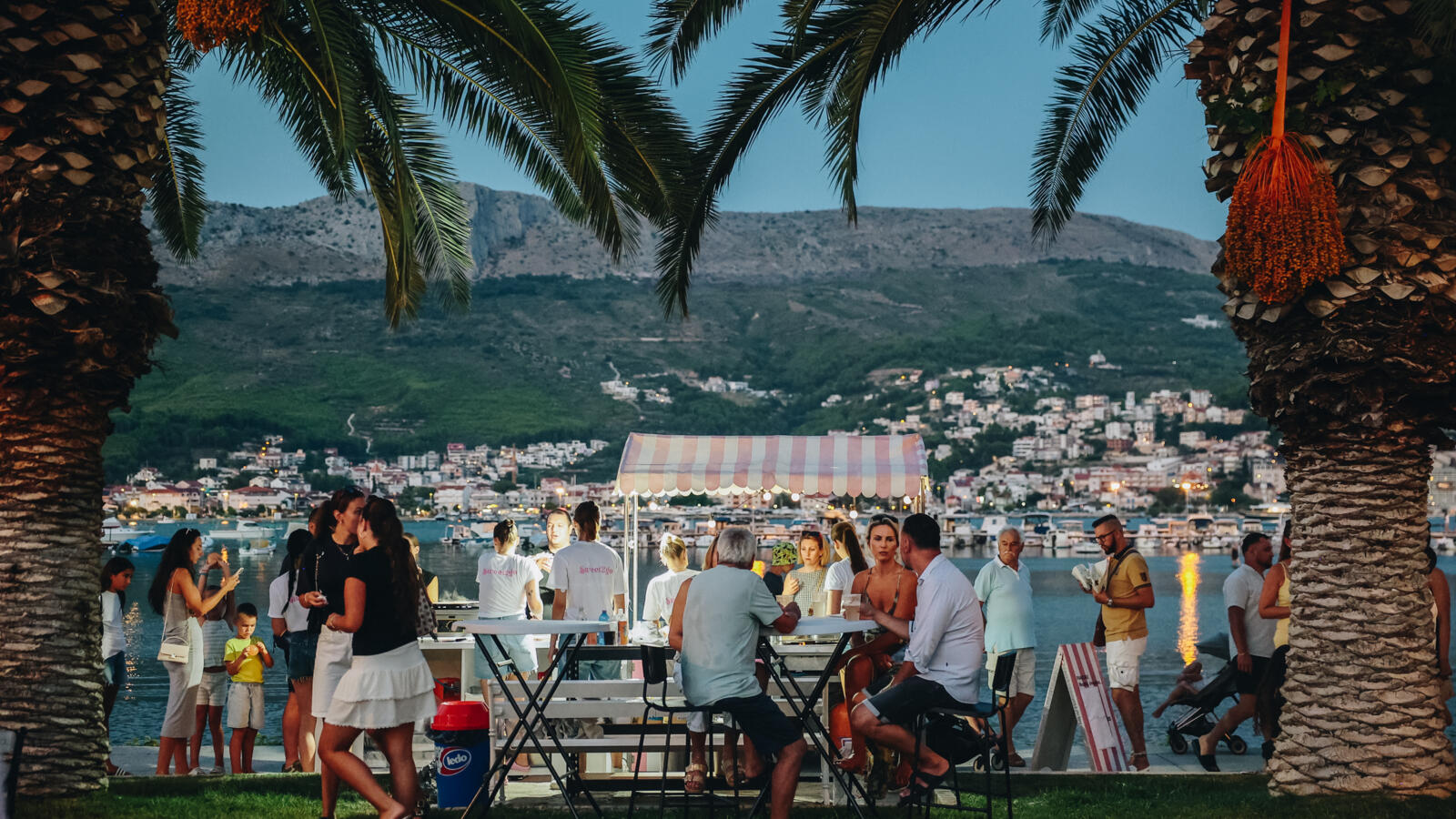
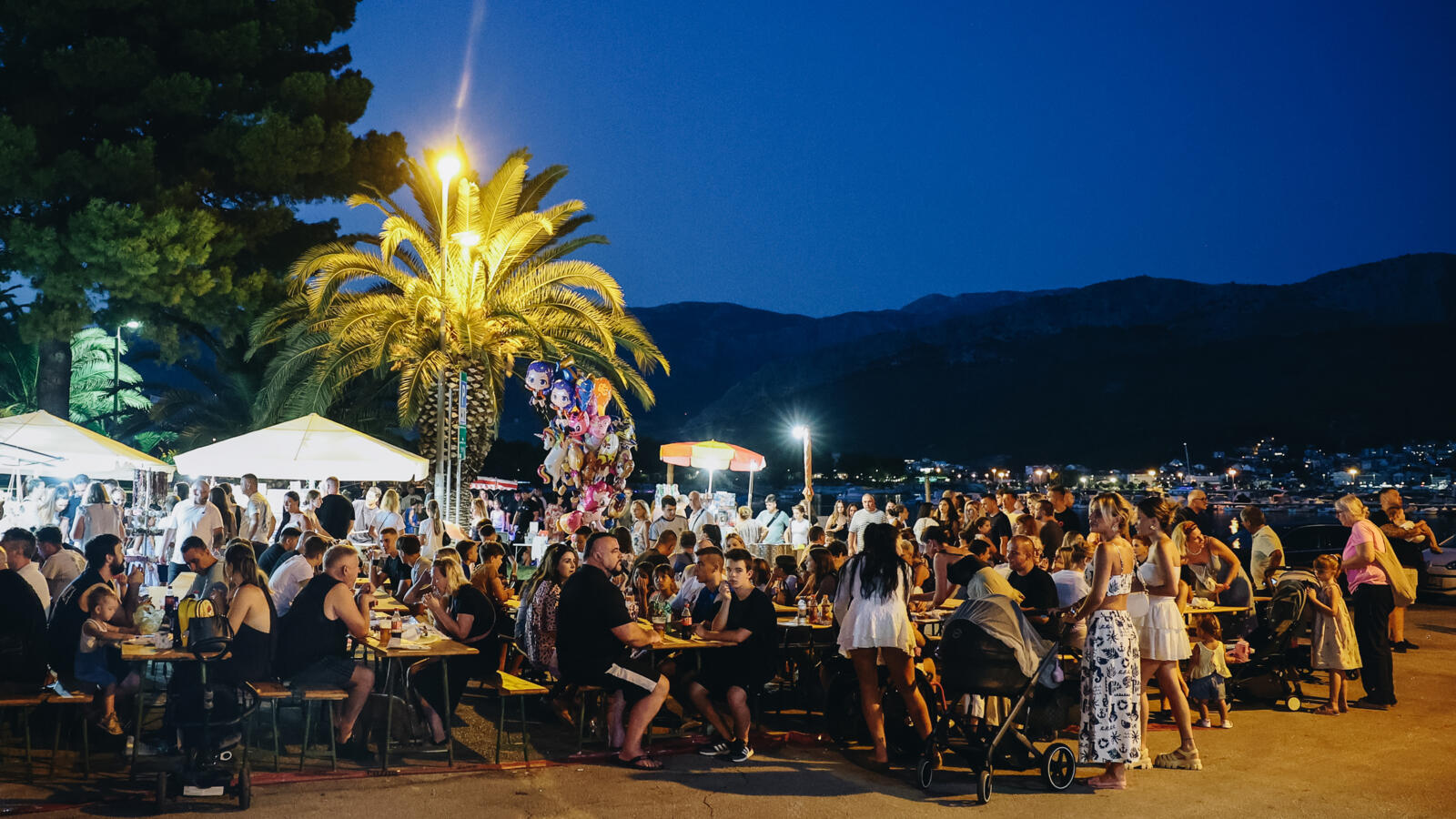
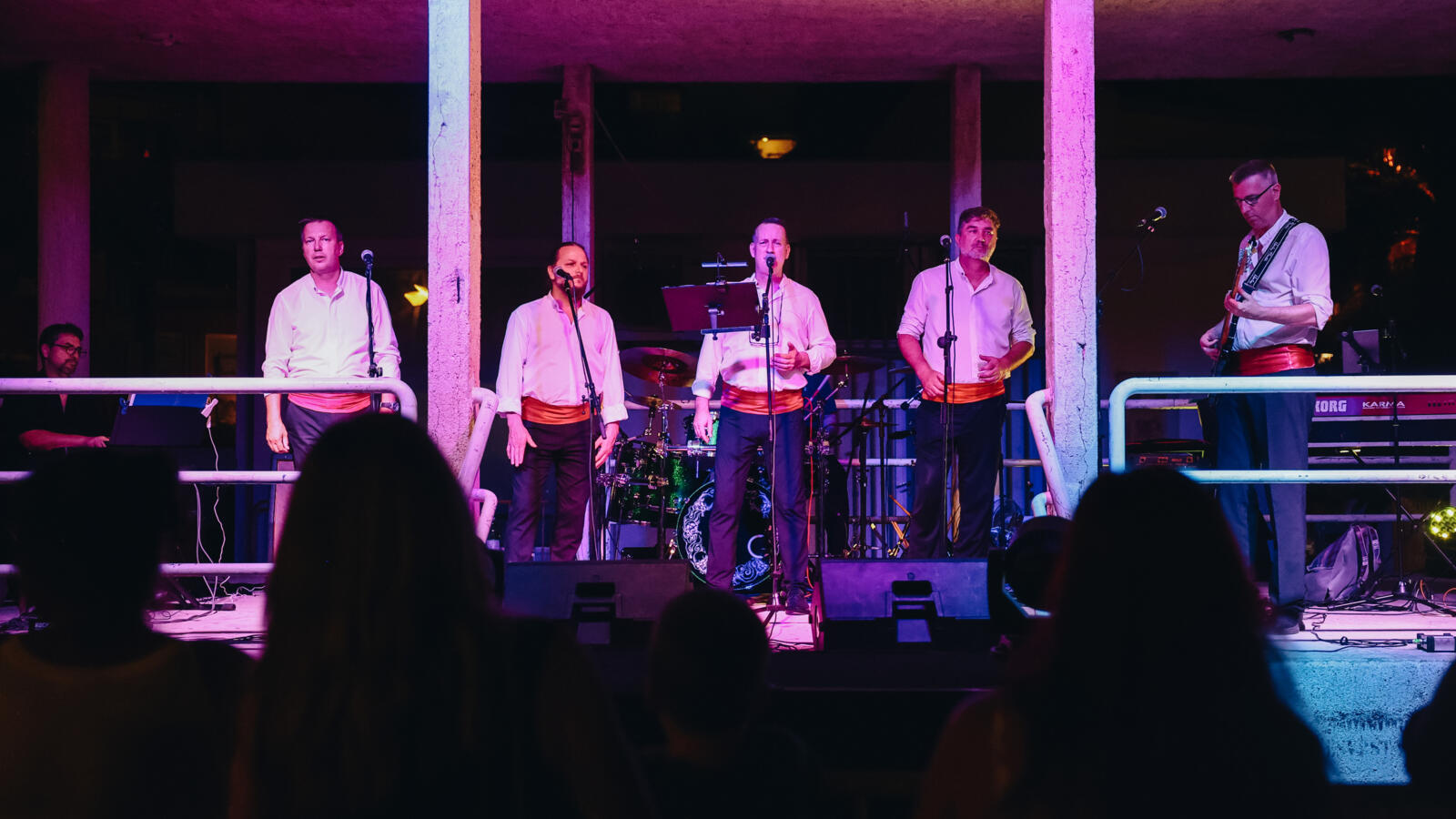
During the summer, Stobreč becomes a centre of cultural events, fishing nights, open-air concerts, and traditional Dalmatian festivities that bring visitors closer to the local culture and way of life.
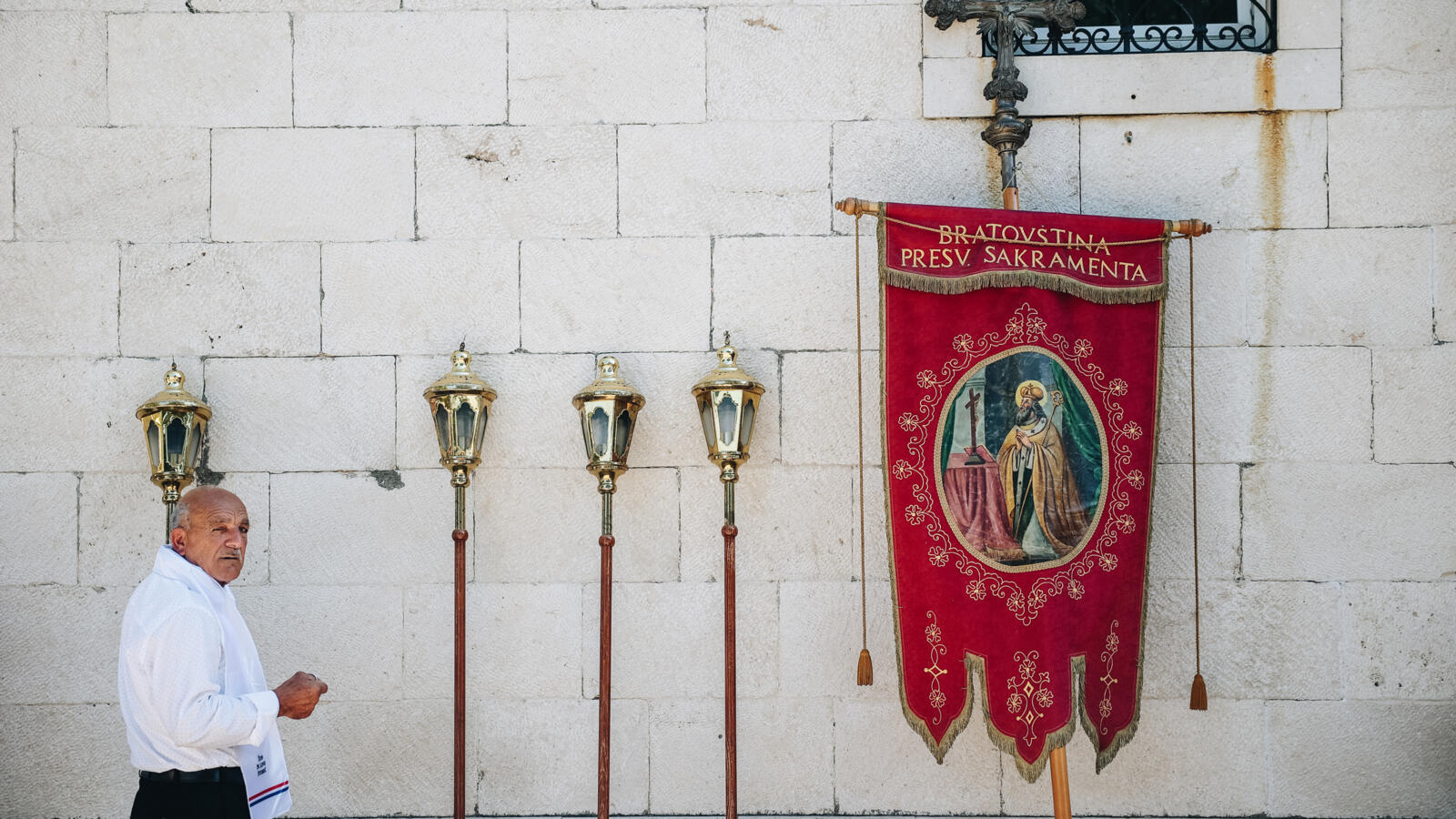
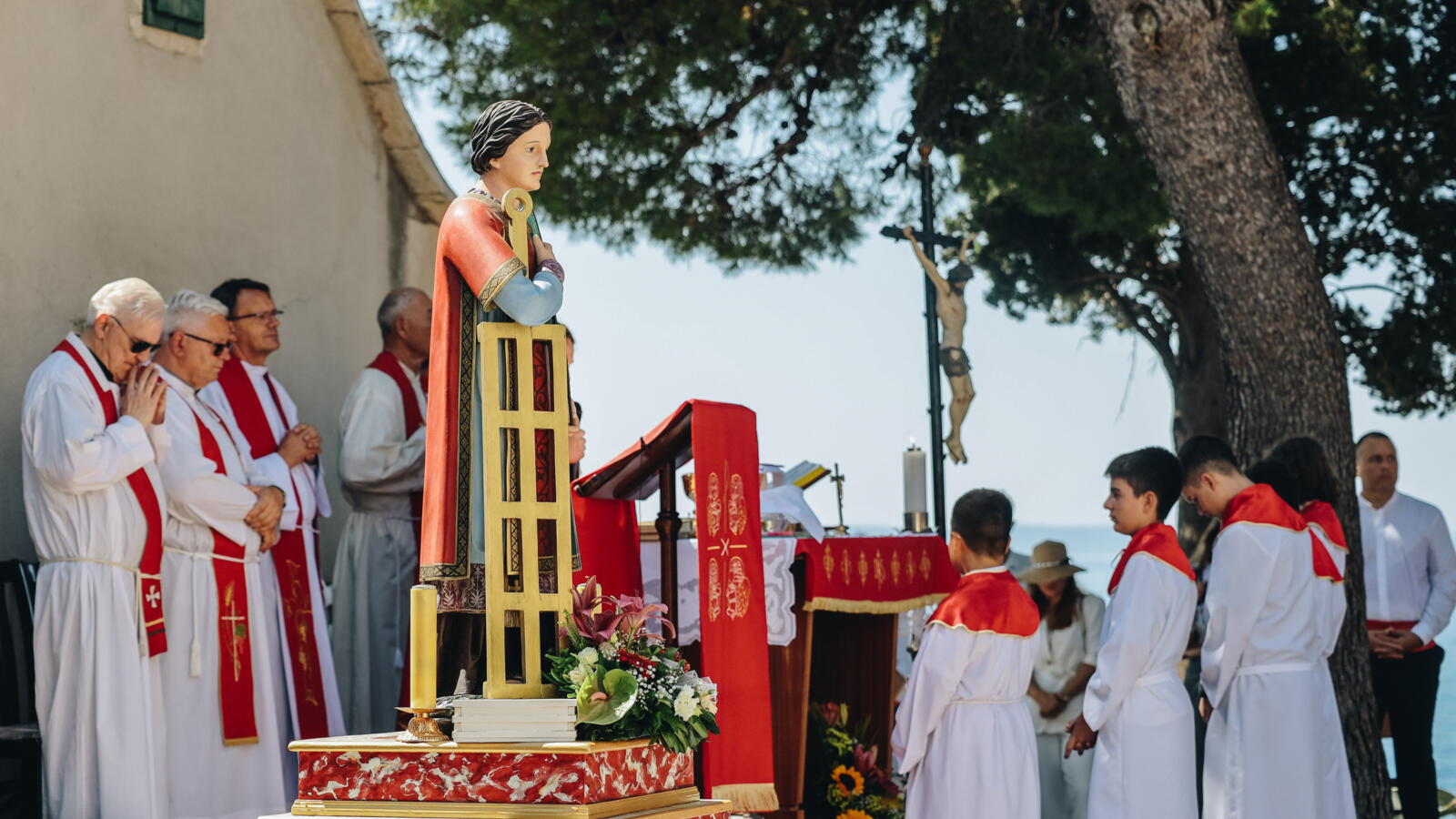
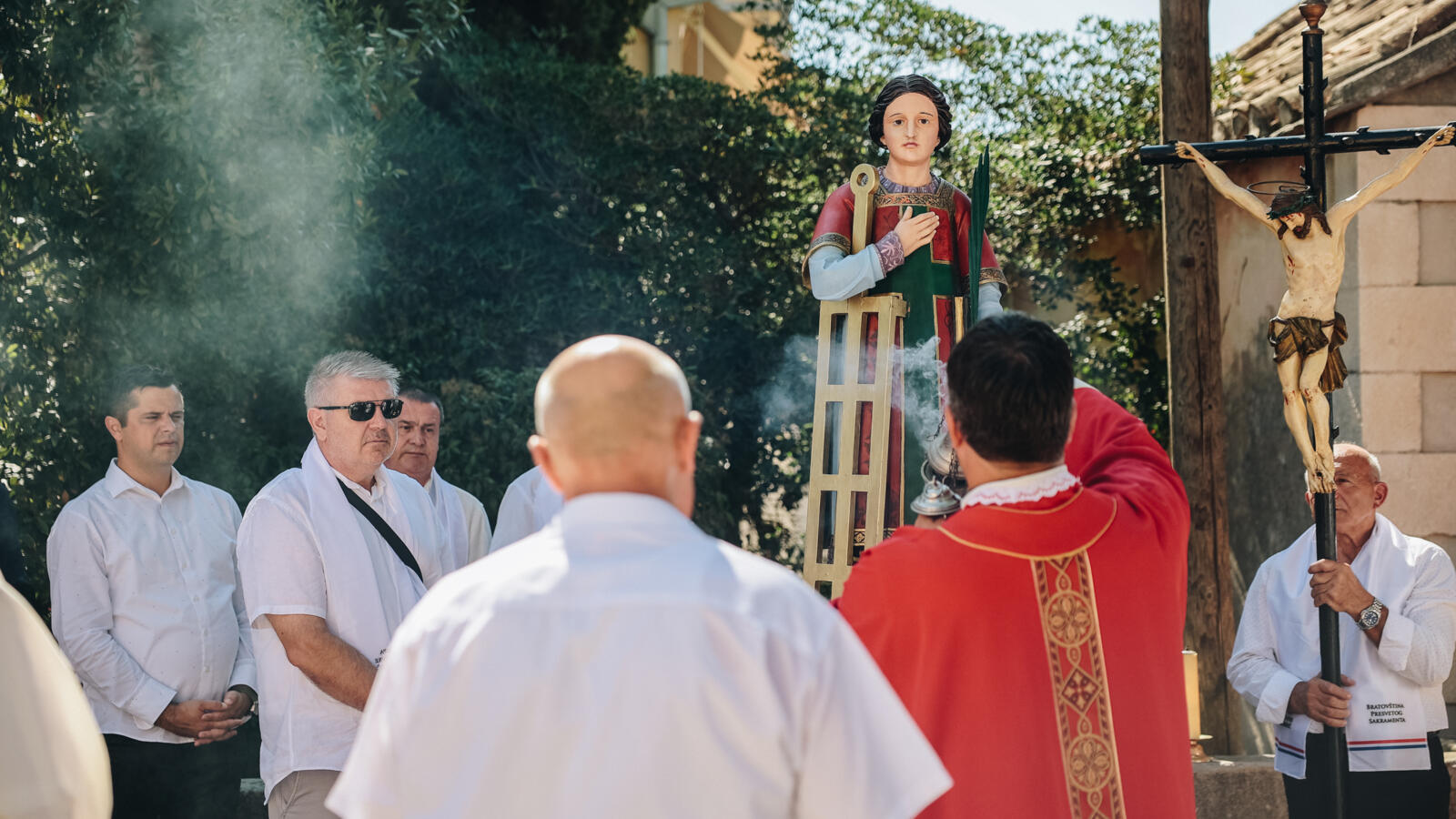
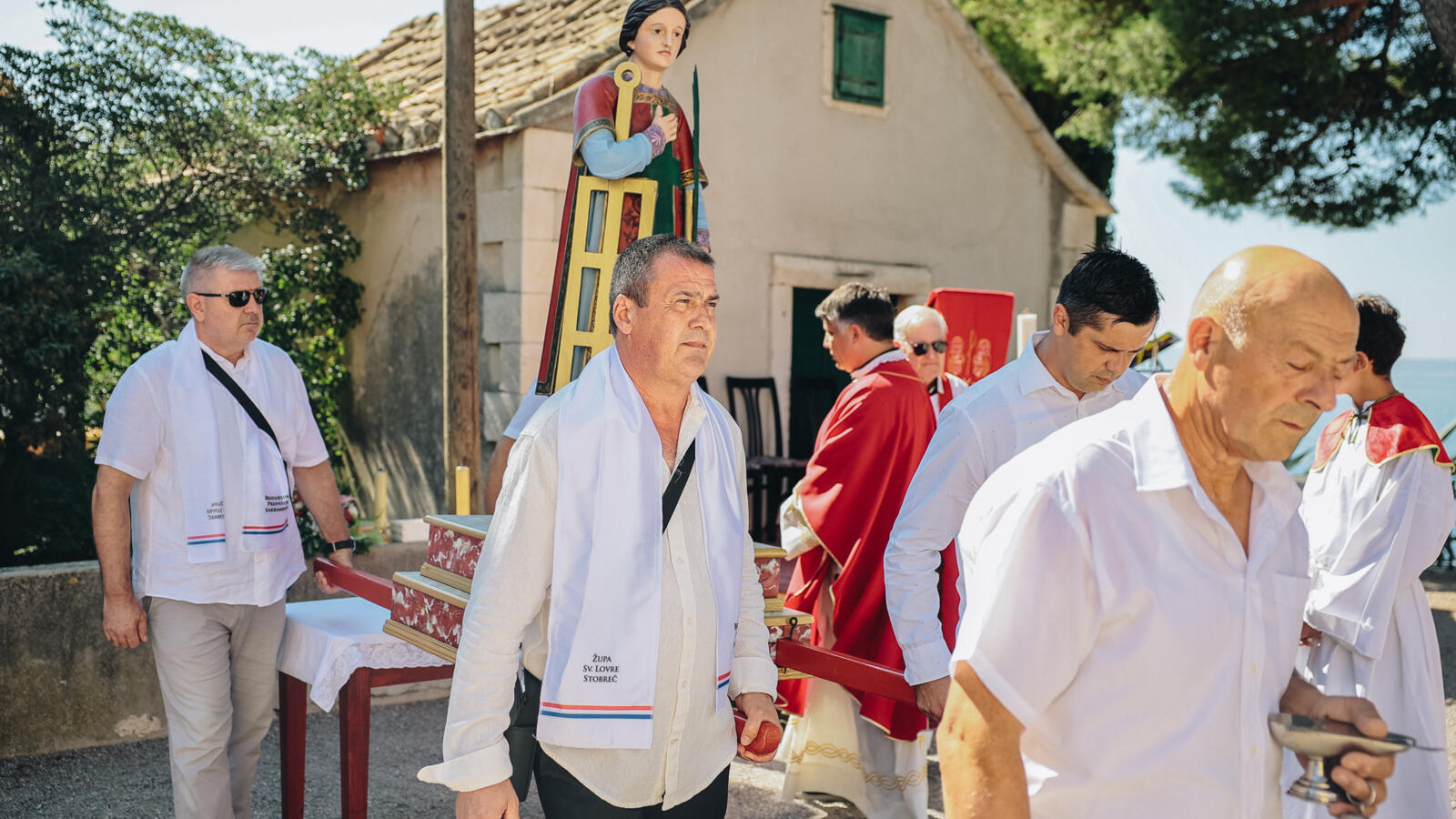
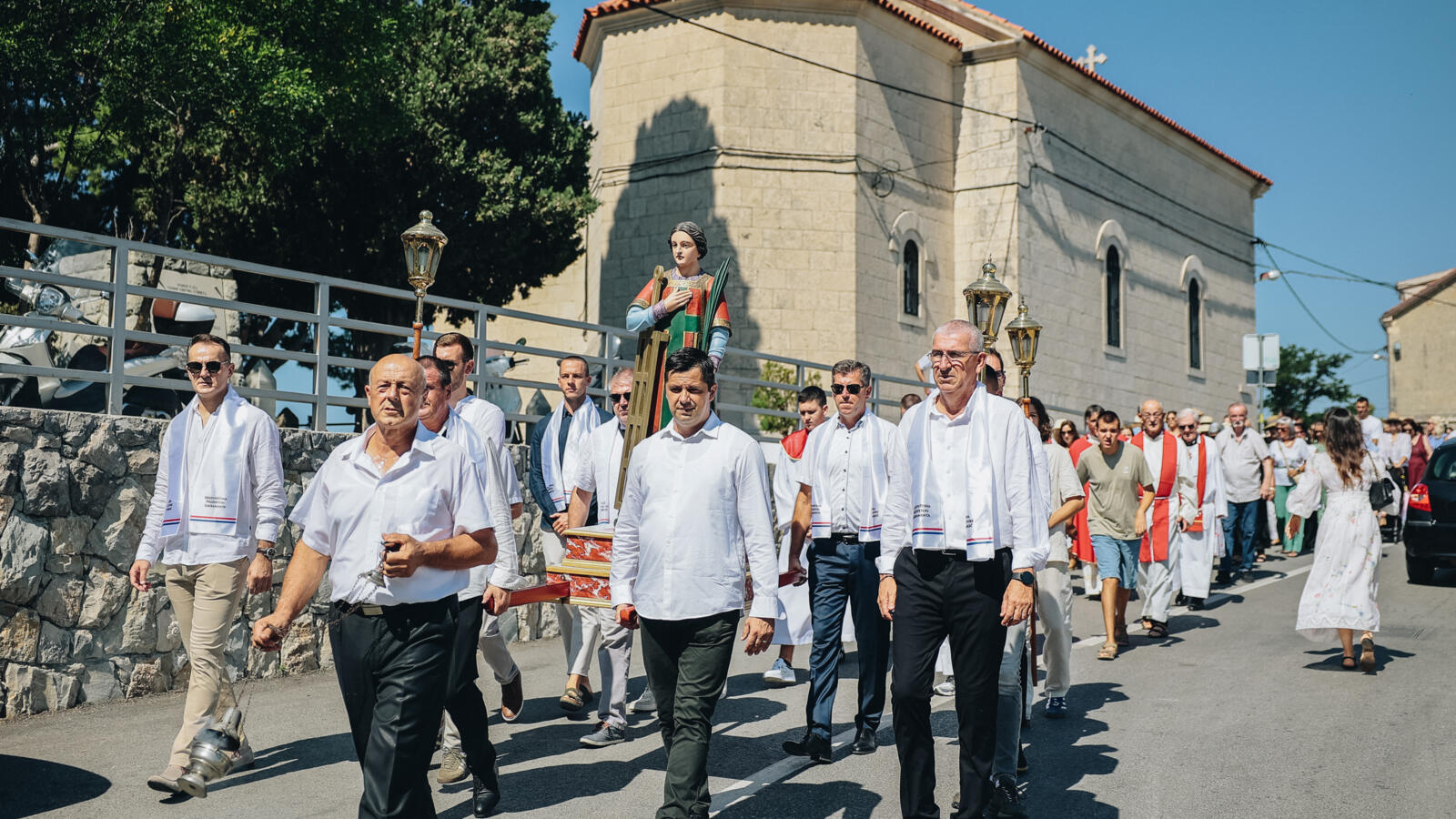
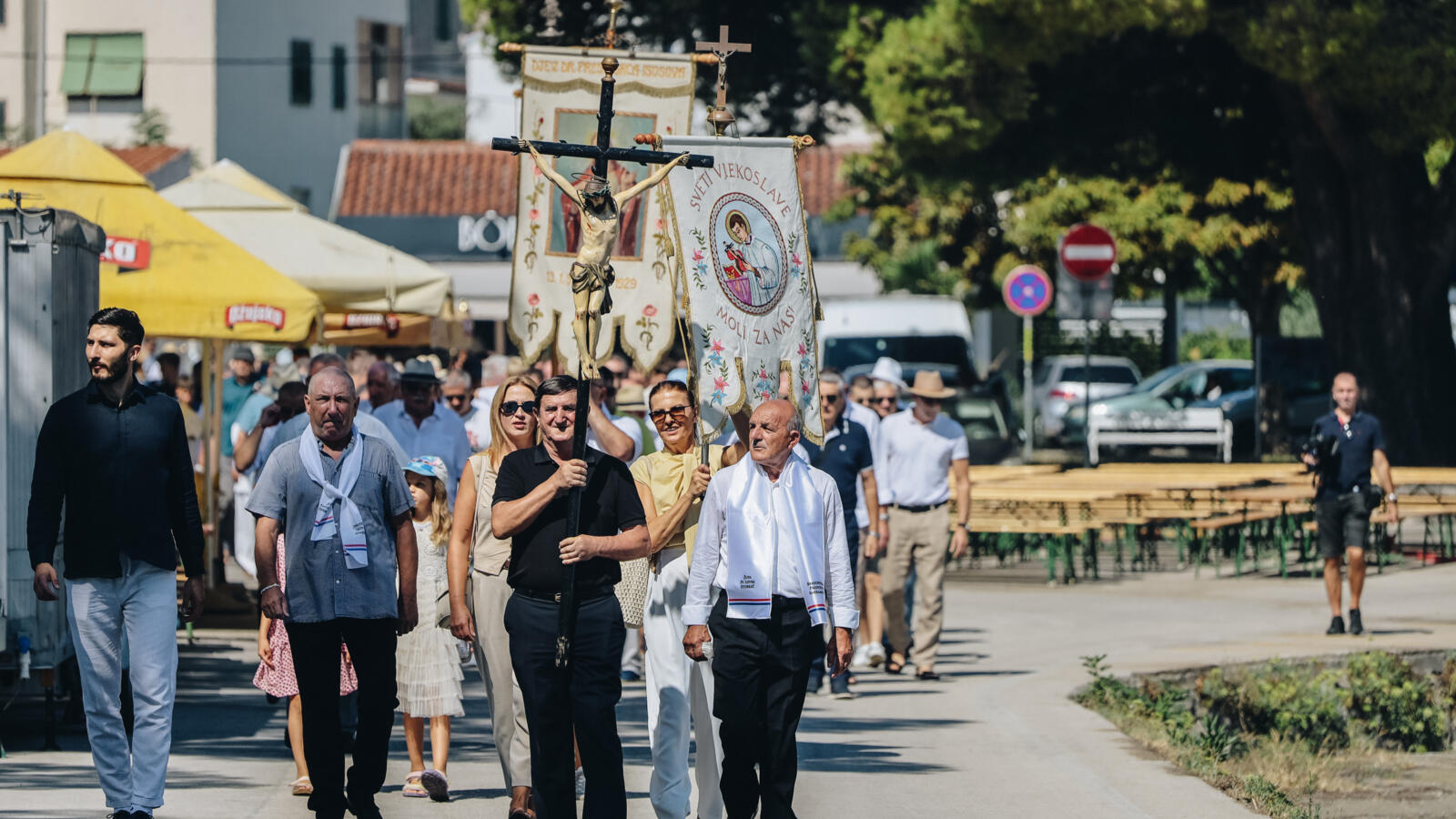
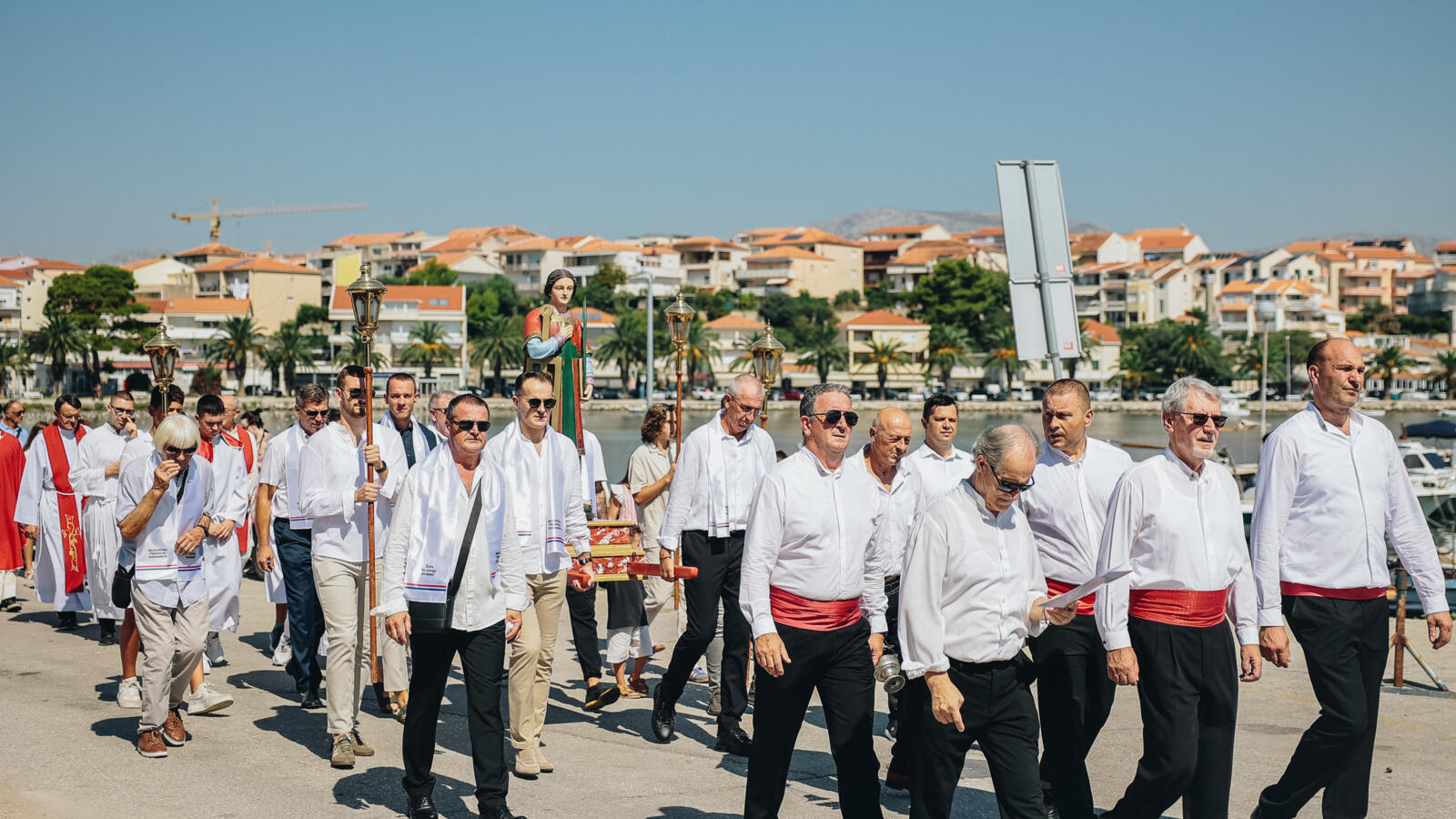
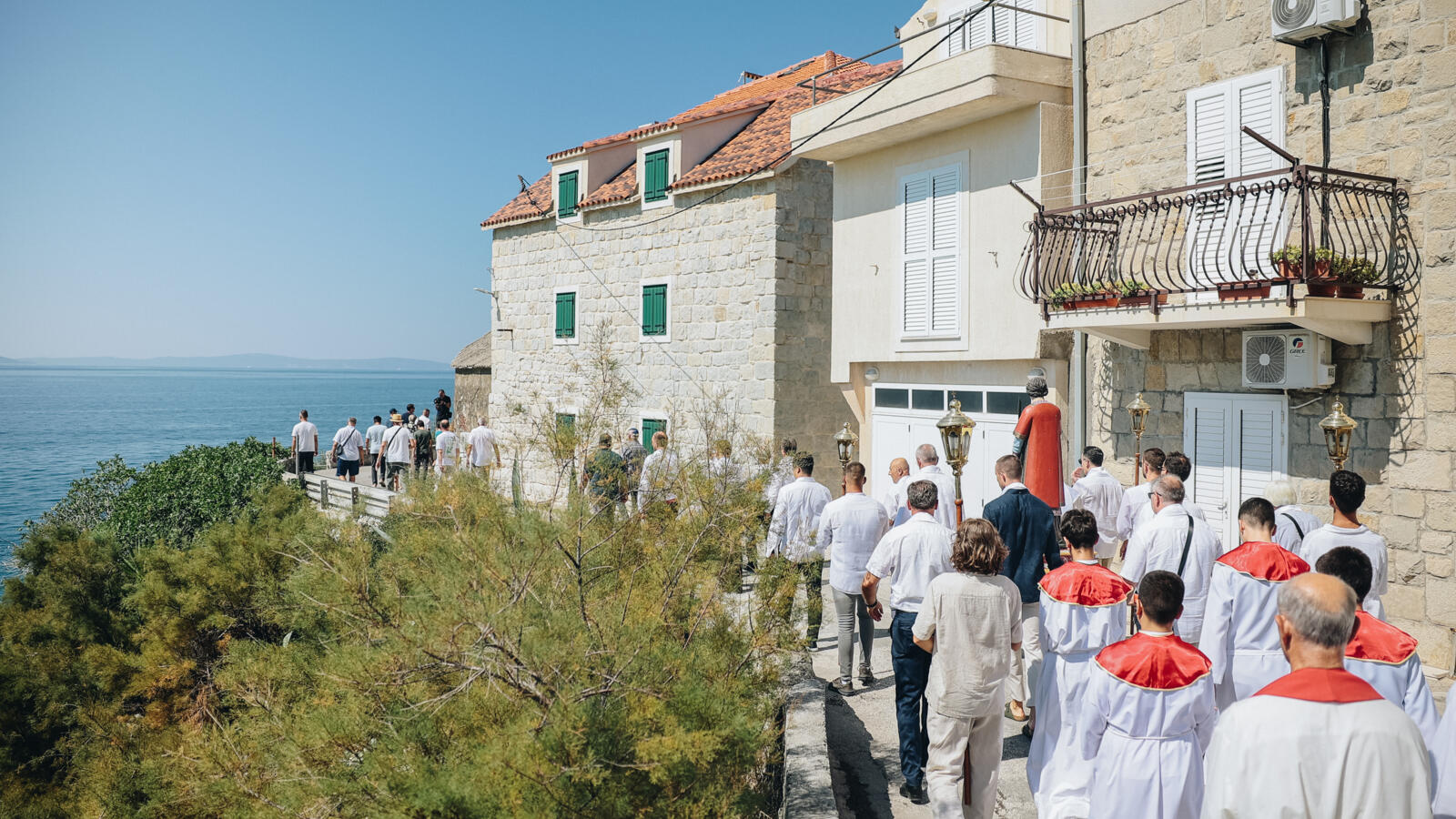
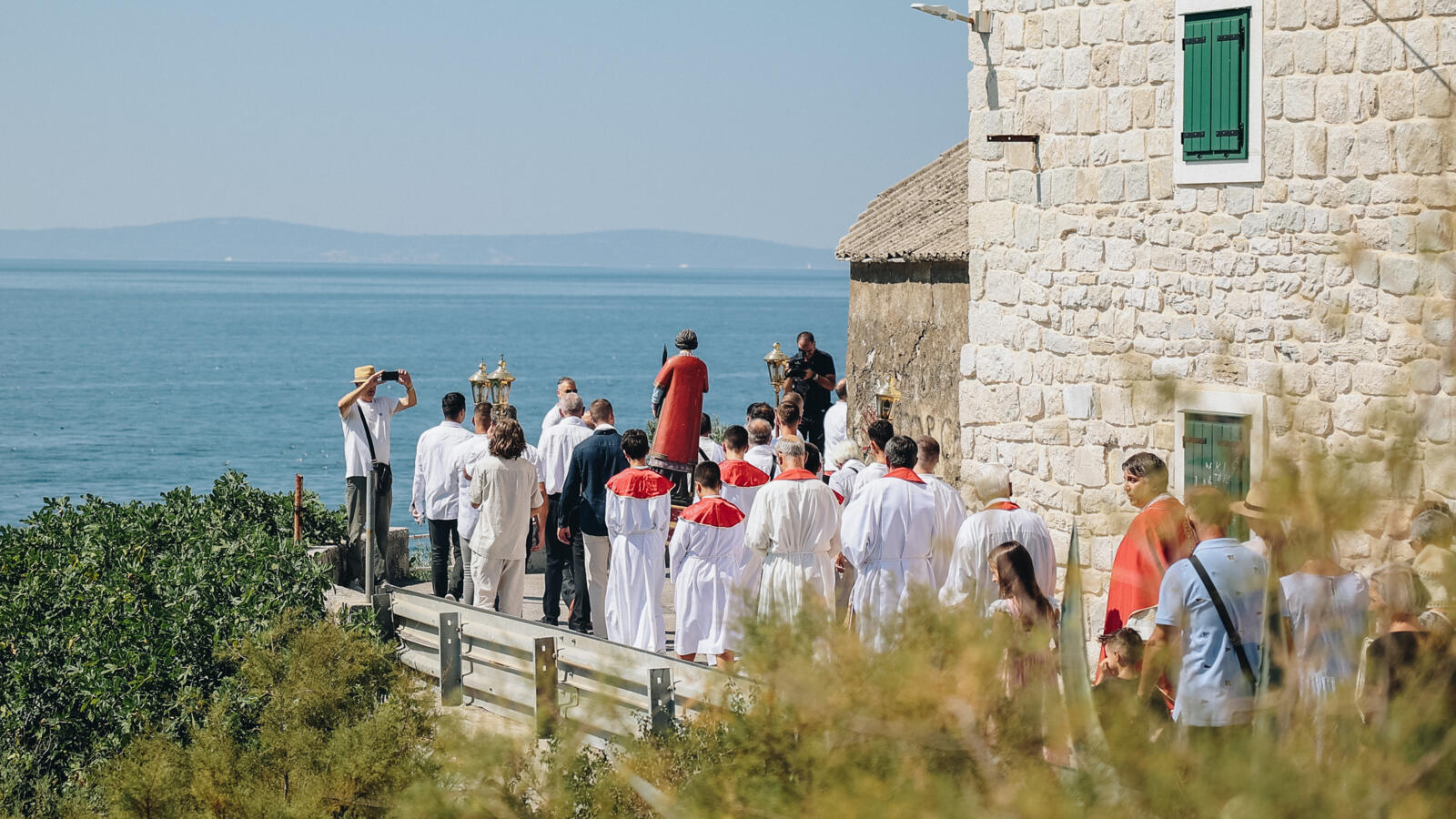
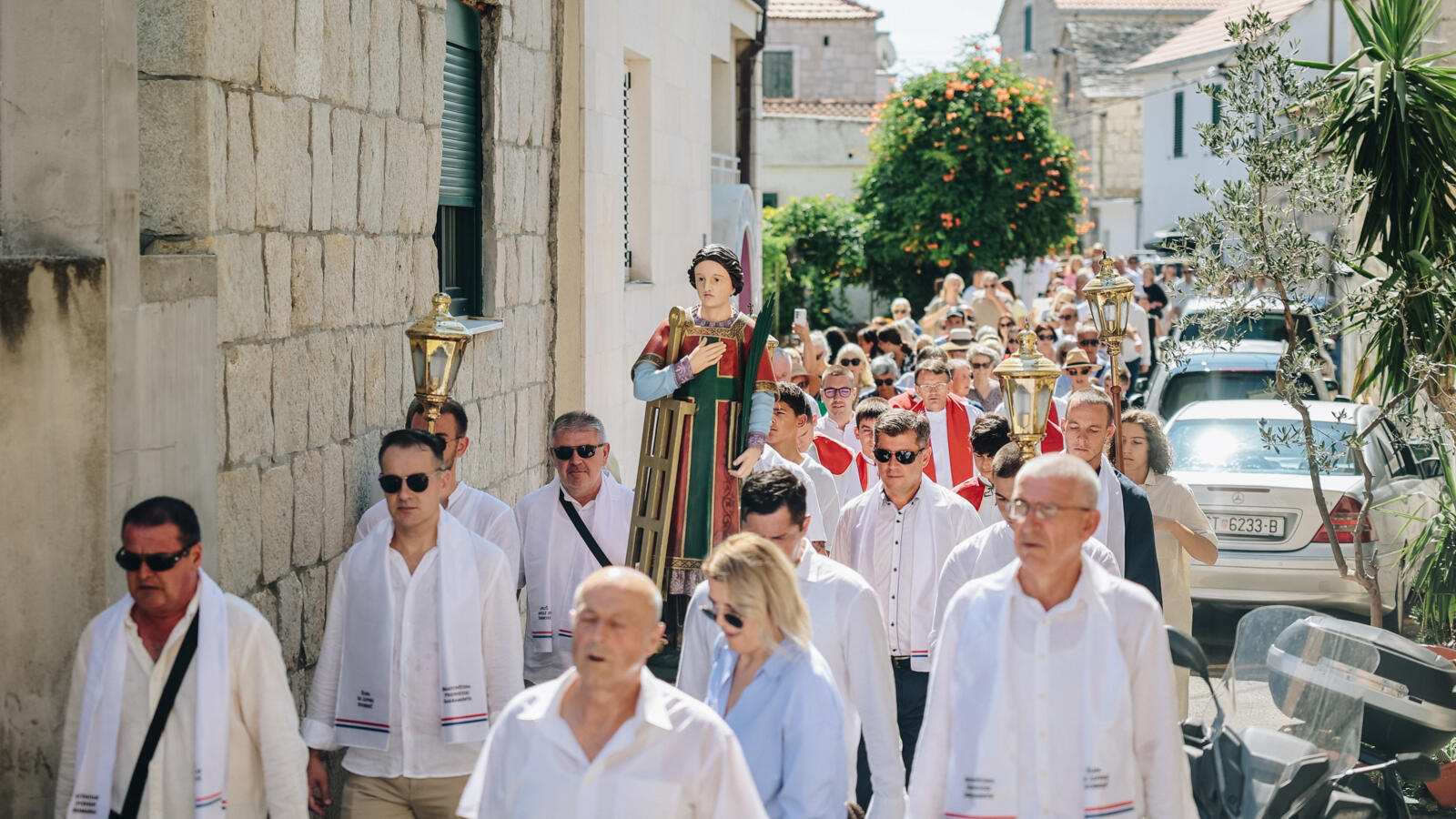
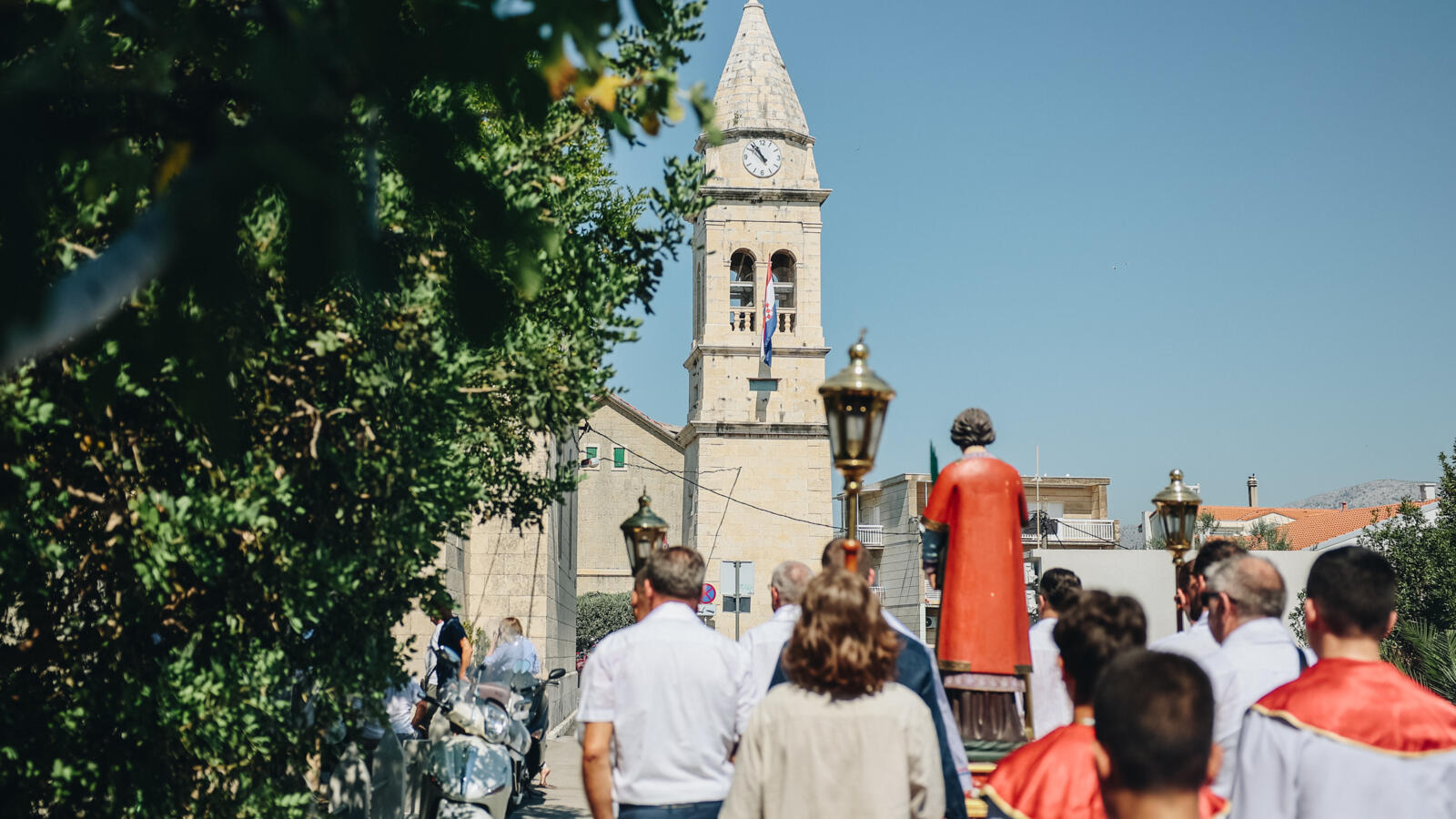
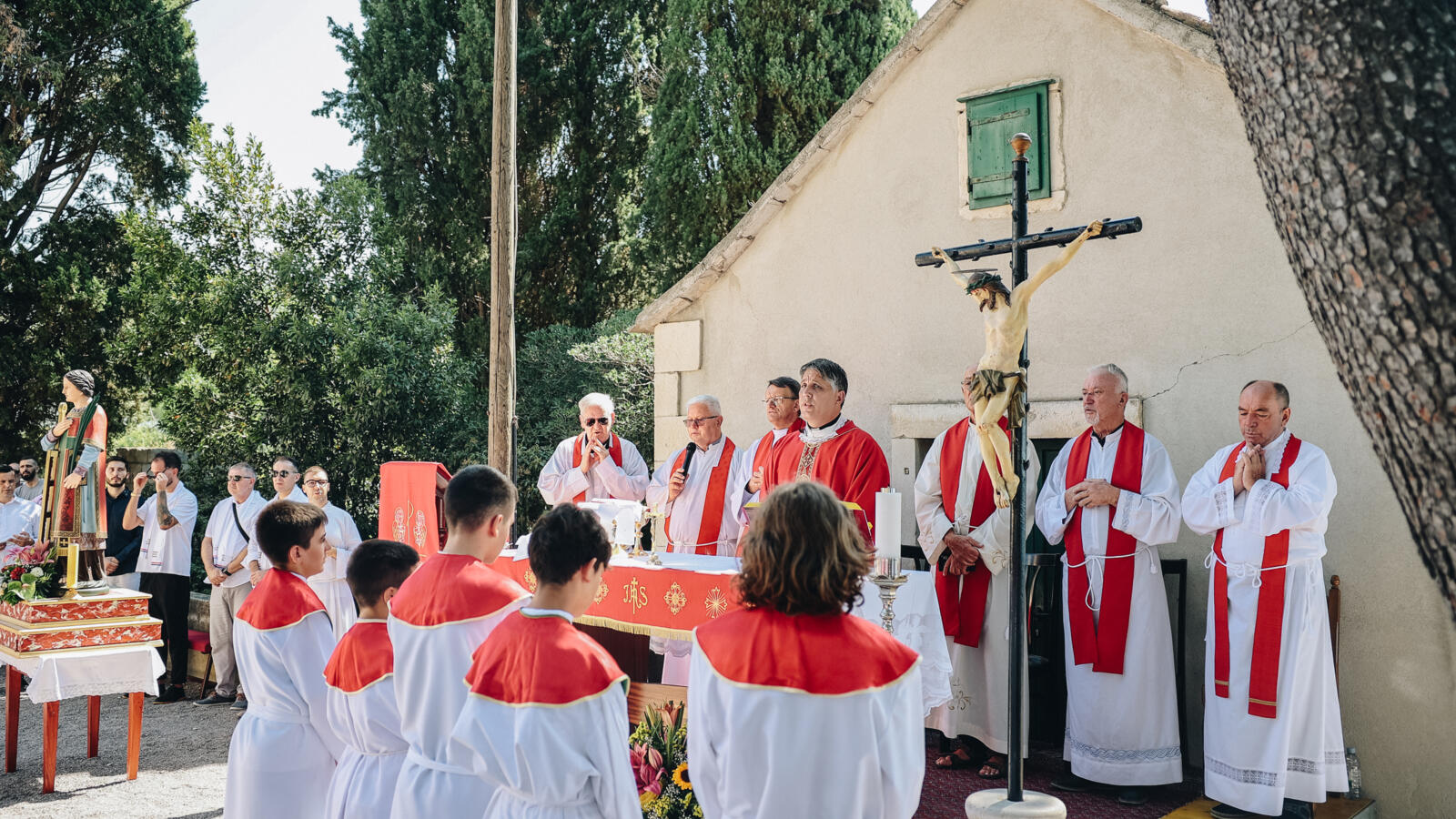
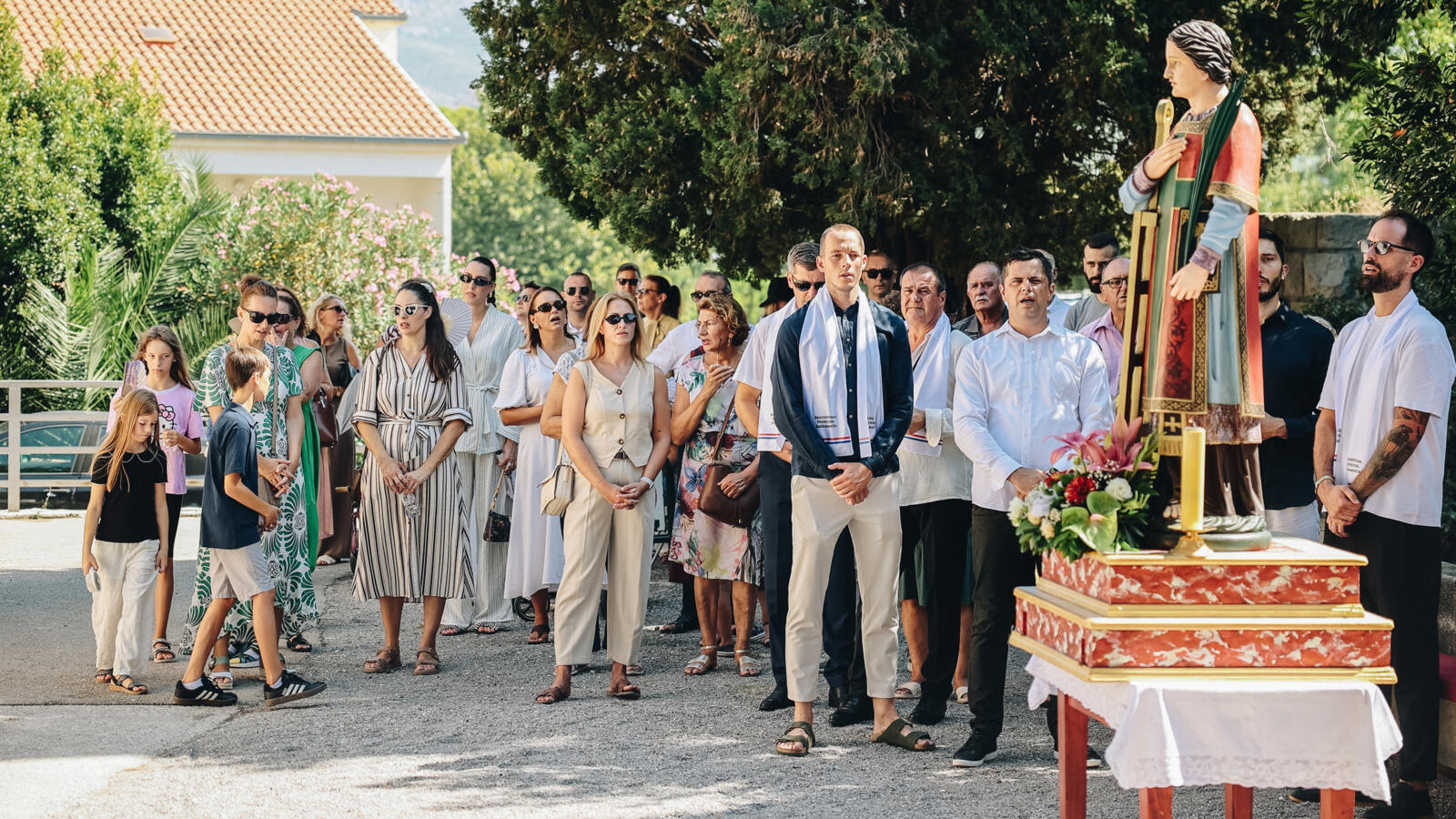
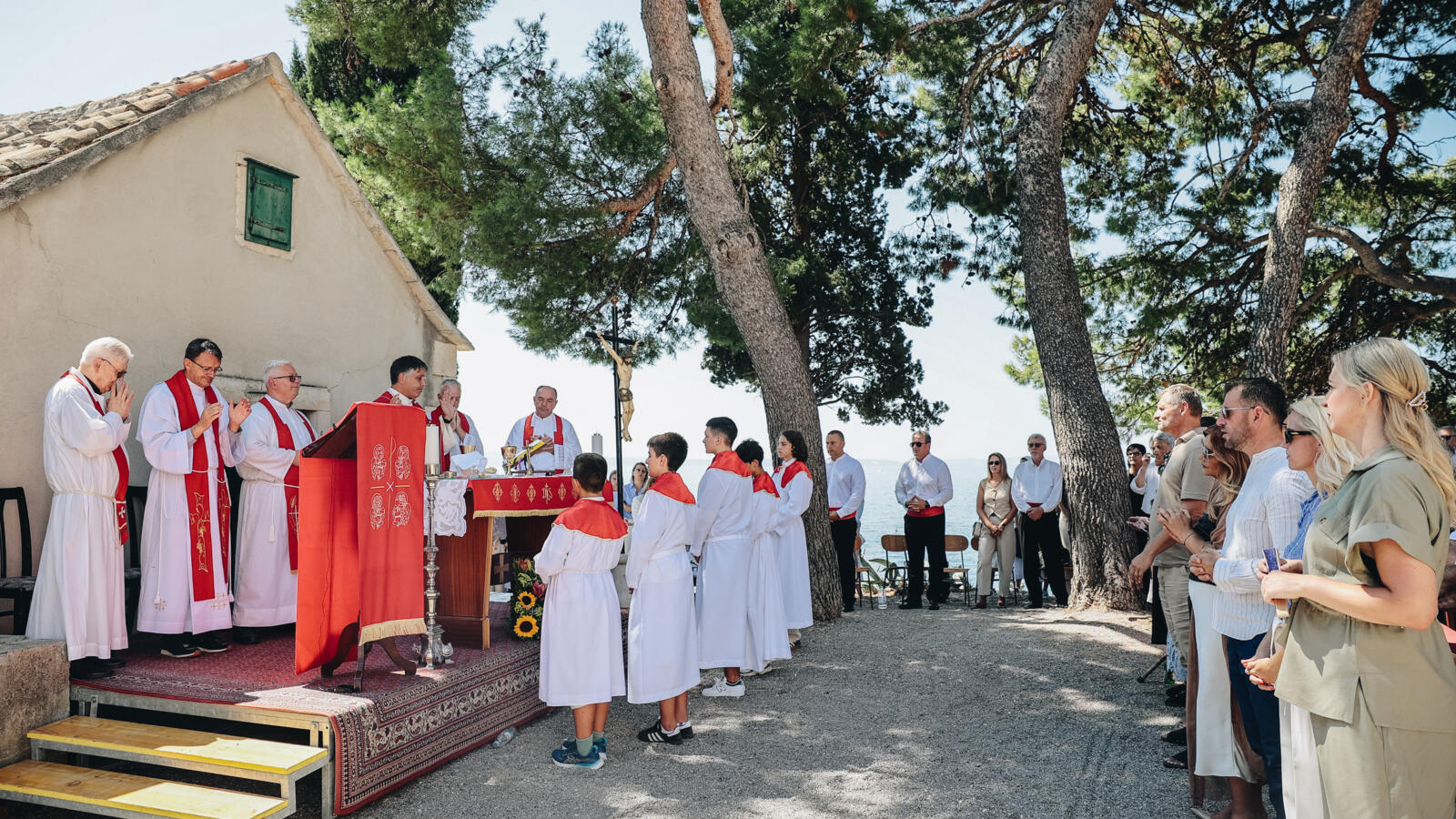
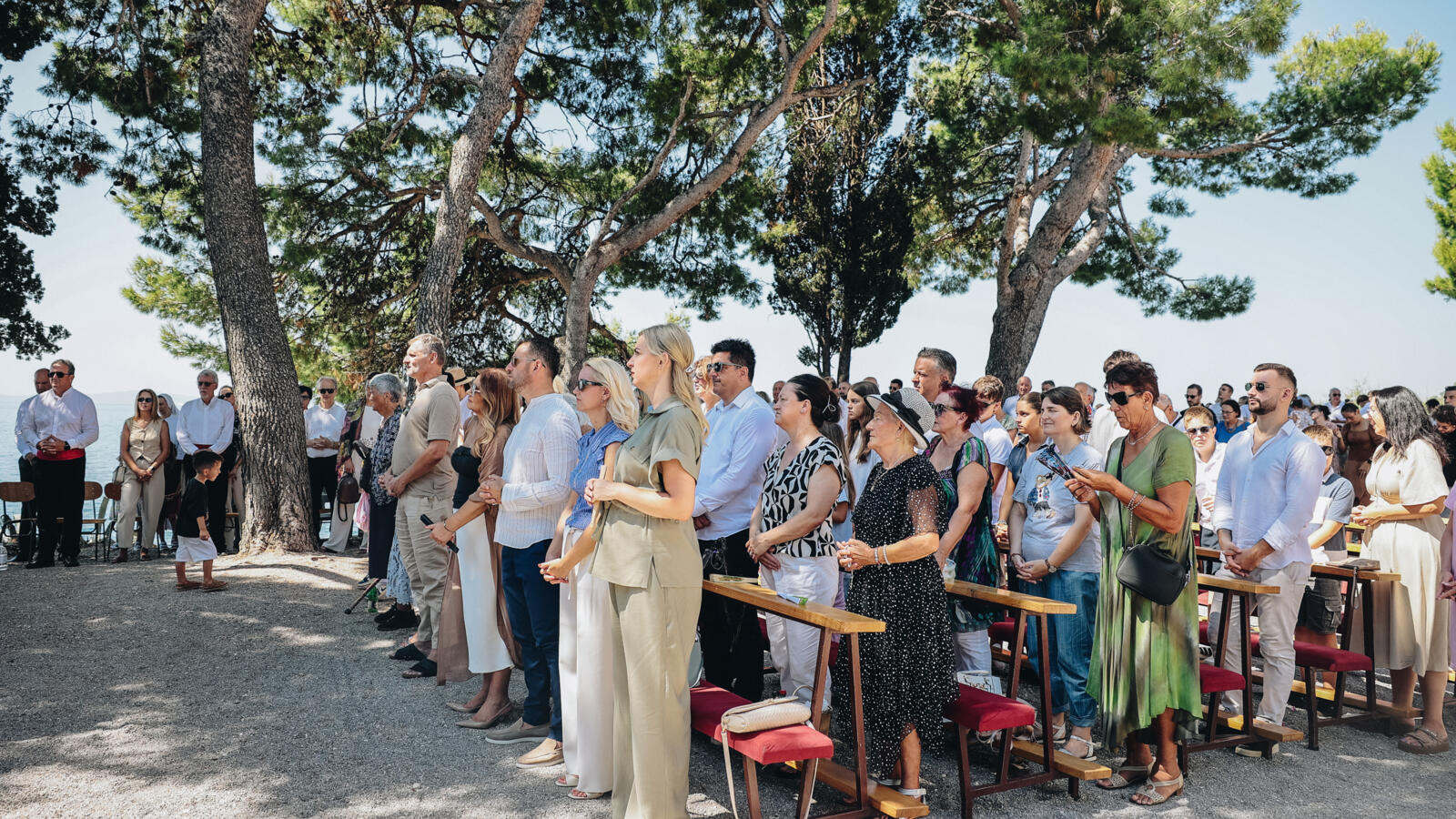
A special highlight is the celebration of the Feast of Saint Lawrence, the patron saint of the village, which takes place from July 26 to August 10. Processions, traditional events, and a rich programme bring together locals and visitors from across the region.
During this period, the famous meteor shower “The Tears of Saint Lawrence” can be observed in the sky above Stobreč, one of the most beautiful natural phenomena of the summer night sky.
Why visit Stobreč?
Stobreč today represents the perfect combination of rich history, natural beauty, excellent gastronomy, and a relaxed Mediterranean lifestyle. Its proximity to Split, beautiful beaches, cultural heritage, and authentic atmosphere make it an ideal destination for a holiday in Dalmatia.
Once you experience Stobreč, its atmosphere, sea, and hospitality, you will always want to return.


